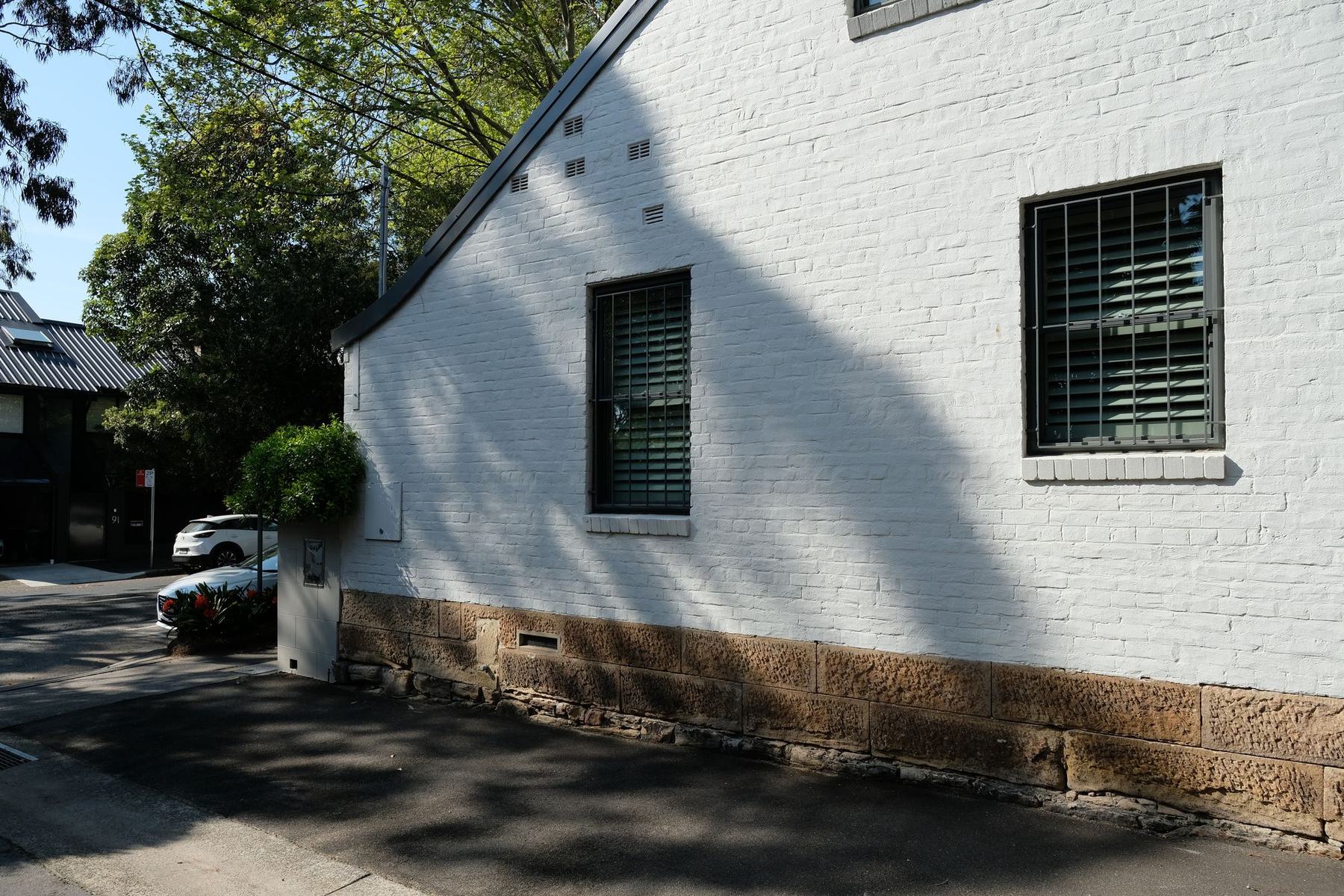
Heritage Consultant for Woollahra Council and Paddington
Checked against Woollahra planning documents, November 2026
Short answer
If your property is a heritage item or sits in one of Woollahra’s Heritage Conservation Areas, a development application will usually need a Statement of Heritage Impact. Heritage controls come from the Woollahra LEP 2014 and Part C of the Woollahra DCP 2015, which has a dedicated chapter for the Paddington HCA. In Paddington almost every building is treated as contributory, so even modest rear works are assessed against detailed controls.
Woollahra has some of the most closely controlled heritage streetscapes in Sydney. Paddington in particular is managed building by building, with controls on rear elevations, roof forms and lanes that are stricter than most councils apply. Knowing those controls before the design is fixed is the cheapest way to avoid a refusal or a long round of amendments.
The controls that apply
- Local Environmental Plan
- Woollahra Local Environmental Plan 2014: Schedule 5 lists heritage items and Heritage Conservation Areas.
- Development Control Plan
- Woollahra DCP 2015, Part C Heritage Conservation Areas. Chapter C1 covers the Paddington HCA (commenced 23 May 2015, last amended 31 May 2024); Chapter C2 covers the Woollahra HCA.
- Building grading in Paddington
- Heritage item, contributory or intrusive. Chapter C1 states that all buildings other than heritage items and intrusive buildings are contributory.
- Statement of Heritage Impact
- Expected for works to heritage items and for development within a Heritage Conservation Area.
How Paddington grades buildings
Most councils sort buildings in a conservation area into contributory, neutral and detracting. The Paddington chapter of the Woollahra DCP works differently: apart from heritage items, every building is contributory unless it is identified as intrusive, which the DCP describes as buildings inappropriate to Paddington’s character in scale, proportions, materials and design.
The practical consequence is that a building can be mapped as contributory even when it is a late twentieth-century replacement with no original fabric. In those cases the Statement of Heritage Impact needs to establish what the building actually contributes, using evidence such as historical aerial imagery and the 1982 Paddington field survey, so the controls are applied in proportion to the real significance.
What Woollahra looks for in Paddington
Because of Paddington’s topography and its grid of streets and rear lanes, rear elevations are often highly visible from the public domain. Chapter C1 therefore controls the back of a terrace almost as closely as the front. Key controls include:
- No additional storey on the principal building form where it would raise the roof or change its pitch or eaves (C4). Roof space can be used where the roof height, pitch, eaves and ceiling below stay unchanged (C5).
- No change to the rear roof plane of the principal building, other than a compliant dormer or skylight (C5, C6).
- Rear additions must not extend beyond the predominant rear building setback of the group or row, at any level (C9).
- Rear additions are either a ground floor addition attached below the existing eave or a ‘courtyard housing’ style addition located wholly behind the principal building, with a usable courtyard (C10, C14).
- Retention of the shared characteristics of the rear elevations of pairs and groups of terraces.
- Original fabric of contributory buildings retained, particularly to the street front.
Paddington south of Oxford Street falls within the City of Sydney, which applies its own controls. Check which council your property is in before relying on either set.
Before you lodge
Start by confirming the listing status and grading of the property on the NSW Planning Portal Spatial Viewer and in the Paddington chapter maps. If the property is contributory, bring a heritage consultant in at concept stage: the rear setback, roof and dormer controls usually decide the envelope before anything else does.
Our work in Woollahra
- Heritage Impact Statement, Paddington: additions to a late-1980s terrace mapped as contributory, where we argued it was better understood as neutral; recommended for approval with no objection on heritage grounds.
How we can help
We prepare Statements of Heritage Impact, Heritage Assessments, Conservation Management Plans and pre-DA heritage advice for properties in Paddington, Woollahra, Double Bay, Edgecliff, Bellevue Hill, Rose Bay, Watsons Bay and the rest of the Woollahra local government area, and Photographic Archival Recordings where a consent condition requires one.
Sources
The controls above are summarised from Woollahra’s own planning documents. Controls change, so check the current version before you lodge.
Frequently Asked Questions
- Is every building in Paddington heritage listed?
- No. Only some buildings are individually listed heritage items. But the whole of Paddington is a Heritage Conservation Area, and Woollahra DCP 2015 Chapter C1 treats every building other than heritage items and intrusive buildings as contributory. In practice that means most development in Paddington needs a Statement of Heritage Impact.
- Can I add a dormer or roof terrace to a Paddington terrace?
- A dormer or skylight in the rear roof slope of the main building can be acceptable if it complies with the chapter’s dormer and skylight controls, but no other change to that rear roof plane is permitted, and an extra storey that raises the roof or changes its pitch is not allowed. Roof terraces and other roof works are assessed against the detailed roof controls, so test the design against them early.
- Which council controls Paddington?
- Most of Paddington, north of Oxford Street, is in the Woollahra local government area. The part south of Oxford Street is in the City of Sydney, which applies the Sydney LEP 2012 and Sydney DCP 2012 instead.
Contact our team to discuss your heritage project requirements.
Get in Touch