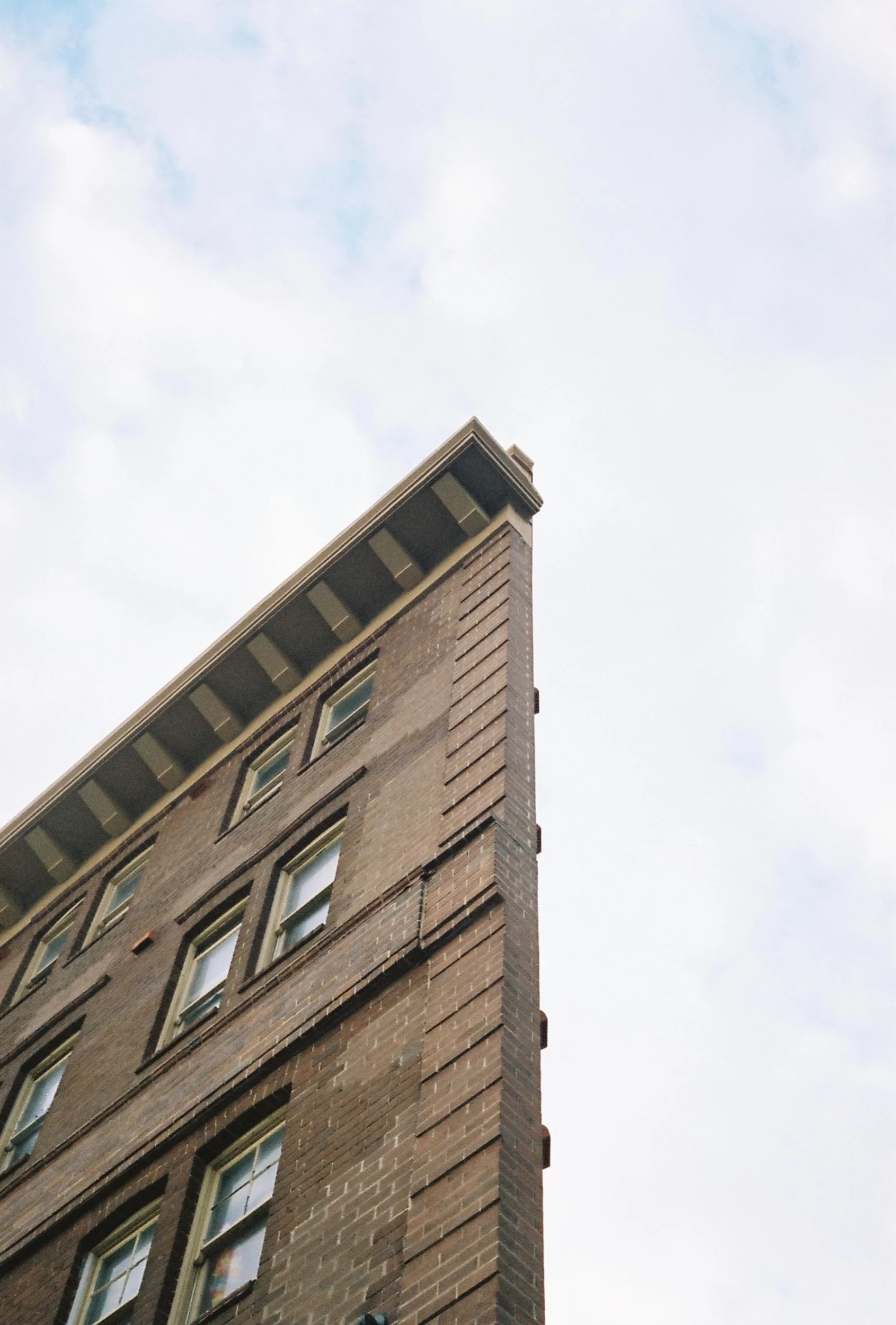
Archival Recording & Photographic Documentation
Archival recording creates a permanent, detailed record of heritage buildings and places. Required as a condition of consent for many development projects involving heritage properties, archival records document the physical fabric, construction history, and setting of a place before alteration or demolition occurs.
At Trace Heritage, we prepare archival records in accordance with NSW Heritage Office guidelines and Heritage Council requirements. Our team combines architectural expertise with heritage knowledge to produce thorough, well-structured documentation.
Our Recording Services
Photographic Recording
Systematic photography of the building exterior, interior, structural elements, decorative details, and setting. We follow the NSW Heritage Office guidelines for photographic documentation, including contextual, medium, and detail views with a photographic schedule and location plan.
Measured Drawings
Accurate floor plans, elevations, sections, and detail drawings documenting the physical dimensions, construction, and configuration of the building. Measured drawings record spatial relationships, structural systems, and building fabric that photographs alone cannot capture.
3D Modelling & Scanning
Point cloud scanning and photogrammetry to create accurate three-dimensional digital records of heritage buildings and sites. These models provide precise measurements and can be used for ongoing conservation planning, monitoring, and interpretation.
Written Description
Detailed written accounts of the building's construction, materials, condition, and any evidence of alterations or previous repairs. The written record contextualises the photographic and drawn documentation and provides a narrative description of the place.
Historical Research
Archival research to establish the construction date, original design, builder, architect, and subsequent modifications. Historical research places the building within its broader architectural and social context and informs the interpretation of physical evidence.
Recording Standards
The level of recording required depends on the significance of the heritage item and the extent of proposed works. We prepare records at all levels specified in the NSW Heritage Office guidelines:
- —Simple record — Photographs and written description for minor works to locally listed items
- —Measured record — Photographs, measured floor plans, elevations, and written description for moderate works
- —Comprehensive record — Full measured drawings, detailed photography, historical research, and written report for major works or demolition
Frequently Asked Questions
- What is archival recording?
- Archival recording is the systematic documentation of a heritage building or place prior to alteration, demolition, or change of use. It creates a permanent record of the place as it exists, including its physical form, construction details, materials, and setting. Archival records are lodged with relevant archives and heritage agencies for future reference.
- When is archival recording required?
- Archival recording is commonly required as a condition of development consent for works that will alter or demolish a heritage item or contributory building. Councils and the NSW Heritage Council may impose archival recording requirements for properties listed on the State Heritage Register, Local Environmental Plans, or within Heritage Conservation Areas.
- What standard of archival recording is required?
- The NSW Heritage Office publication 'How to Prepare Archival Records of Heritage Items' (1998) and the Heritage Council's guidelines specify recording standards. There are typically three levels: a simple record (photographs and written description), a measured record (including floor plans and elevations), and a comprehensive record (full measured drawings, detailed photography, and historical research).
- What is the difference between archival recording and a heritage assessment?
- Archival recording documents the physical form of a place as a permanent record, typically before changes occur. A heritage assessment evaluates whether a place has heritage significance and may recommend listing. The two are complementary — an archival record preserves evidence of physical fabric, while a heritage assessment interprets its significance.
Contact our team to discuss your heritage project requirements.
Get in Touch